Source Polyester Dyed Cross Stitch Kit for Home Decor and Gifts
Find 30 polyester dyed cross stitch kit options from Chinese manufacturers. Compare materials like cotton and silk, sizes, and customization services to source the best DIY sewing supplies for your business needs; compare the available evidence and request quotations based on your requirements.
Key considerations
Products List


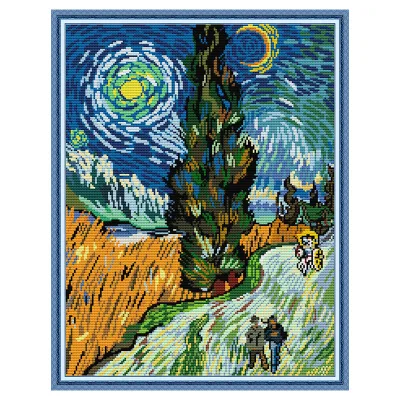
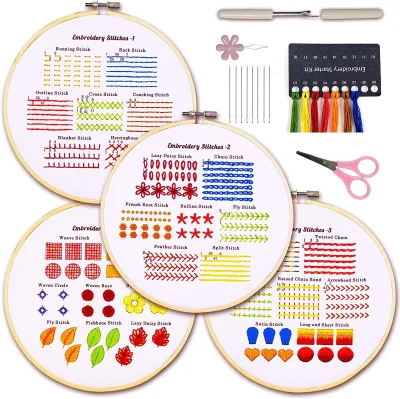
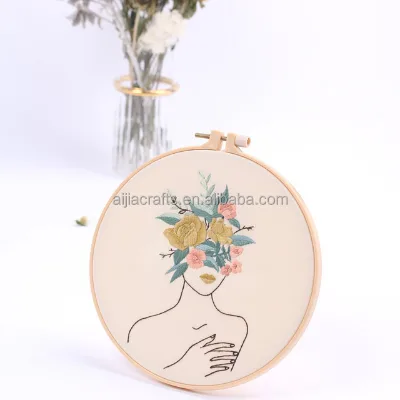
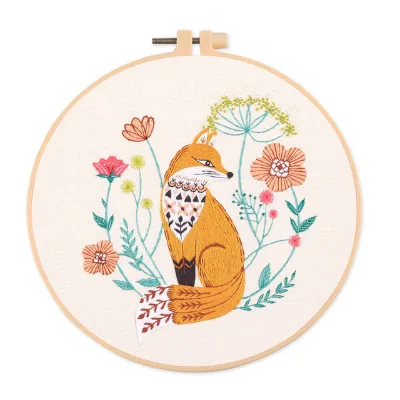


Comprehensive Sourcing Guide
Polyester Dyed Cross Stitch Kit Sourcing Guide
Buyers must first reconcile the observed product data with the core keyword, noting that the supplied listings feature cotton, silk, and PP foundation fabrics rather than polyester. While the search term specifies polyester, the actual inventory includes kits with cotton and silk materials alongside PP non-woven bases, requiring a strict verification step to ensure the supplier can deliver the specific fiber composition requested. This discrepancy highlights the need to treat observed listings as a sample of available variations rather than a definitive catalog for the exact keyword.
Procurement teams should prioritize suppliers who explicitly confirm the ability to source or manufacture polyester-dyed variants, as the current data shows a mix of natural and synthetic foundations. The presence of "Customized" standard attributes and "OEM" advantages suggests flexibility in material selection, but buyers must not assume all listed kits meet the polyester requirement. Clarifying the fiber content during the initial inquiry prevents mismatched expectations and ensures the final product aligns with the specific dyeing and texture needs of the target market.
Product Scope and Observed Listing Signals
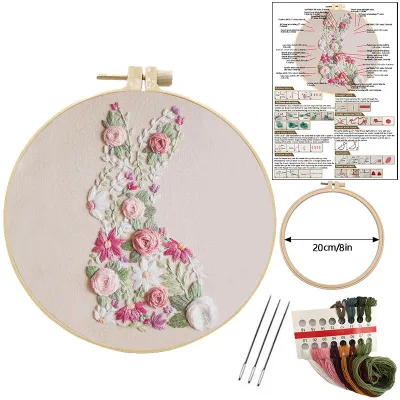
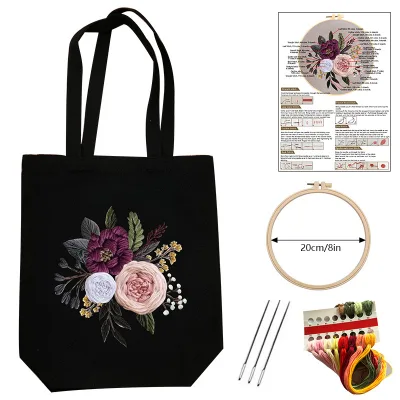
The observed product range includes diverse items such as sewing kits, patches, and coasters, indicating that the category extends beyond simple cross-stitch kits to broader embroidery and craft supplies. Listings show usage patterns for coats, shirts, and home decoration, which suggests that the finished products serve both functional garment applications and aesthetic interior design purposes. Buyers should verify if the specific polyester-dyed kits are intended for garment embellishment or standalone decorative items, as the application dictates the required durability and finish.
Market signals reveal a wide range of customization options, including OEM shapes, customized sizes, and flexible packing requirements like gift boxes or PVC bags. The data indicates that manufacturers offer "Hand-Made" and "DIY Kit" formats with various skill levels, from ordinary hand sewing needles to specialized cross-stitch patterns. This variability means buyers must define their exact scope, whether they need a complete kit with pre-dyed threads or a supply-only solution for in-house production, to avoid purchasing mismatched product types.
Technical Specifications to Verify
Technical due diligence must focus on the foundation fabric composition, as the observed data lists cotton, silk, and PP as primary materials rather than the requested polyester. Buyers need to confirm the thread count and weave density, noting that specific listings mention 11CT and 14.5*14.5cm dimensions, which serve as benchmarks for grid consistency. Verifying the exact fabric weight and dye fastness is critical, as the "Multicolor" and "Cartoon" patterns observed rely heavily on the quality of the dyeing process to prevent fading during use.
Dimensional accuracy and packaging integrity are equally vital, with observed standards ranging from 15.2CM15.2CM to 34CM39CM depending on the specific model. Procurement teams should request physical samples to validate the "Customized" size claims and ensure the "1set/Box" or "OPP Bag +Carton" packaging protects the delicate threads and needles during transit. Additionally, confirming the automation level as "Manual" helps in estimating production lead times and understanding the labor intensity involved in creating the intricate "Cute" and "Fashion" styles.
Compliance and Safety Documentation
Safety compliance is paramount for products intended for babies, women, and general home use, requiring verification of chemical restrictions on dyes and fibers. Although the supplied facts do not list specific certification numbers, buyers must demand evidence of compliance with regional safety standards for textiles, particularly regarding formaldehyde, heavy metals, and flammability. The "Long" life attribute suggests durability, but this must be backed by test results proving the materials do not degrade into hazardous substances over time.
Documentation should also cover the origin and manufacturing location, with observed data pointing to Ningbo, Zhejiang, and Zhenjiang in China. Buyers need to ensure that the suppliers in these regions adhere to local environmental regulations and labor laws, which can impact the ethical sourcing profile of the final product. Requesting a declaration of conformity for the specific polyester-dyed variant is essential, as the general "as request" standard noted in the data is insufficient for regulatory clearance in strict markets.
Cost Drivers and Commercial Terms
Cost structures are heavily influenced by the material composition, with natural fibers like cotton and silk typically commanding higher prices than synthetic alternatives like PP or polyester. The observed price range of 0.48 to 8.27 USD reflects this variance, driven by the complexity of the "Hand Embroidery Supply" process and the "Customized" nature of the patterns. Buyers should analyze the cost per unit against the material quality, ensuring that the lower price points do not compromise the dye quality or the structural integrity of the foundation fabric.
Commercial terms must account for the wide MOQ range of 10 to 8000 units, which allows for flexibility but requires careful inventory planning. The "Low Price" advantage noted in the data is often tied to high-volume orders, so buyers should negotiate tiered pricing based on their specific volume requirements. Additionally, the "Customized" packing and standard options may incur setup fees, so it is crucial to clarify whether these costs are included in the unit price or charged separately to avoid budget overruns.
Supplier Qualification and Quality Control
Supplier qualification should prioritize manufacturers with proven experience in "Hand-Made" and "DIY Kit" production, as these methods require a high degree of artisanal skill. The presence of "Cross Stitch" and "Sewing Kit" attributes in the data indicates a specialized skill set, so buyers must verify the supplier's capacity to maintain consistency across large batches of "Multicolor" and "Cartoon" designs. Requesting a factory audit or video tour can help assess the manual labor conditions and the precision of the stitching processes.
Quality control protocols must address the variability inherent in "Hand-Made" products, ensuring that every kit meets the "Cute" and "Fashion" style expectations. Buyers should implement a rigorous inspection plan that checks for loose threads, color bleeding, and accurate pattern alignment, as these are common defects in manual embroidery supplies. Establishing a clear acceptance criteria for the "1set/Box" or "1set/PVC Bag" packaging ensures that the final product arrives in perfect condition, ready for retail or gifting.
Long-Term Procurement Checks
Long-term success depends on the supplier's ability to maintain consistent quality and material availability over time, especially for "Customized" orders. Buyers should establish a relationship that includes regular quality reviews and the ability to adjust specifications as market trends shift from "Cartoon" to other styles. The "OEM" capability noted in the data suggests that suppliers can adapt to new design requests, but this flexibility must be tested with small trial orders before committing to large-scale production.
Sustainability and supply chain resilience are critical factors for long-term partnerships, given the reliance on manual labor and specific fabric sources. Buyers should monitor the supplier's response to material shortages or changes in dyeing regulations, ensuring that the "Long" life attribute of the products remains valid. Regular communication regarding production updates and potential risks will help mitigate disruptions and ensure a steady flow of high-quality polyester-dyed cross-stitch kits to the market.
FAQs
What materials are used in these cross stitch kits?
The kits utilize cotton, silk, and PP foundation fabrics. Cotton is the primary material for the base, while silk is also available for specific designs. The PP fabric serves as a sturdy foundation for certain patterns. These material choices ensure durability and ease of stitching for various DIY projects.
Can I customize the size and packaging of the kits?
Yes, customization is available for both size and packaging. Standard sizes include 11CT, 15.2CM*15.2CM, and 34CM*39CM, but customized dimensions are accepted. Packaging options range from boxes and bags to gift boxes based on customer requirements. This flexibility allows buyers to tailor products to specific market needs.
What is the typical MOQ for these sewing kits?
The minimum order quantity ranges from 10 to 8000 units. This wide range accommodates both small trial orders and large bulk purchases. Buyers can select an MOQ that fits their inventory strategy. The flexibility supports diverse procurement needs, from individual crafters to large-scale distributors seeking specific quantities.
How are these kits manufactured and processed?
The kits are manufactured using manual processes and are classified as DIY kits. They feature hand-sewing needles and are designed for hand sewing applications. The production emphasizes manual craftsmanship, ensuring each kit is ready for immediate use. This approach supports the traditional craft experience while maintaining consistent quality standards.
Where are these cross stitch kits produced?
The kits are produced in China, specifically in Ningbo, Zhejiang, and Zhenjiang. These locations are known for their manufacturing capabilities in textile and craft supplies. Buyers can expect efficient logistics from these regions. The origin ensures access to established supply chains and competitive production environments for global distribution.
What styles and patterns are available in these kits?
Available styles include cute, fashion, and cartoon patterns. The kits feature multicolor designs and animal shapes for decorative purposes. These styles cater to various aesthetic preferences, from playful to elegant. The variety ensures that buyers can find suitable options for different customer segments and decorative needs.